In professional interior architecture and contract design, dining chairs do more than finish a space. They act as key elements that shape how a hospitality, commercial, or residential area works. A dining chair often comes later to match budgets or blend with the main table. Yet experienced interior professionals know its build quality, materials, and precise proportions affect posture, room flow, and long-term durability.
At SANQ Furniture, we see seating as more than a simple add-on. It forms a key mix of solid structure, good value, and real comfort. When choosing chairs for busy contract spaces, residential projects, or global wholesale lines, buyers need clear knowledge of key factors. This guide explains how to match physical sizes, material choices, and style details for strong results in commercial work.
Understanding Structural Dimensions and Spatial Proportions
Every solid contract project starts with a close look at how the dining surface and seating structure work together. Whether you add furniture to an existing setup or handle a full procurement job from the start, the table sets the basic limits for the chairs.
Analyzing the Dining Table Dimensions
Before locking in a large commercial order, check three main measurements:
- Perimeter and Layout: The full length, width, or round size of the table sets the space for seating placement.
- Tabletop Height: Measure from the floor to the top of the dining surface to find clearance for the body.
- Understructure Obstructions: Thick frames, skirts, or pedestal bases can limit legroom.
Defining Dining Table Chair Height and Seat Proportions
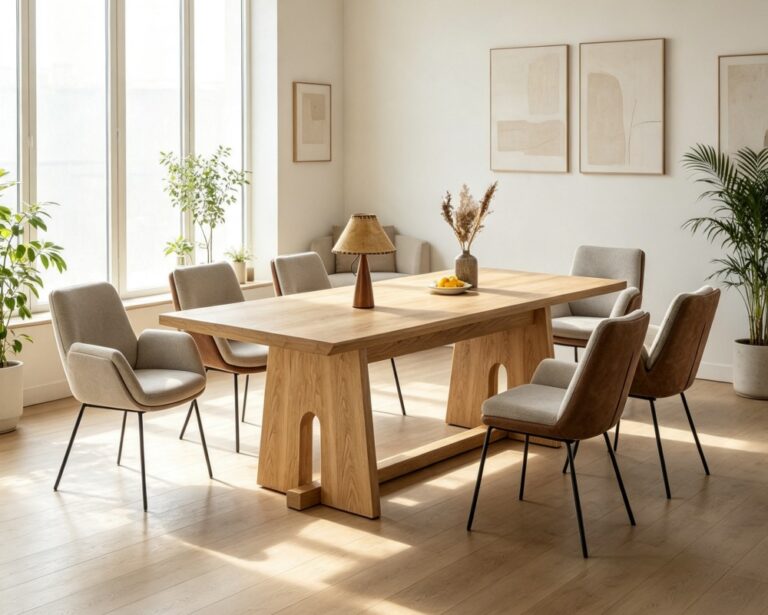
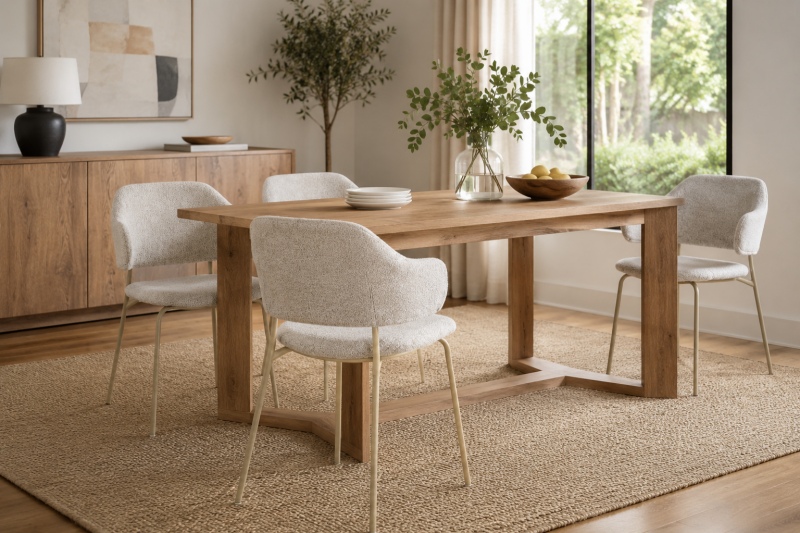
To keep standard comfort, measure the gap between the seat top and the dining table surface. The ideal space stays around 25 cm to 30 cm. This gap avoids discomfort, fits different users, and allows easy movement. When checking specs, always match the dining table chair height with the table skirt clearance to stop the chair back from hitting the frame.
Calculating Capacity and Dining Table Chair Size
The selection of the correct size of dining chairs involves the need to find an equilibrium between room size and comfort. The minimum width required for one individual is 60 cm, while contract projects should strive for 76 cm per chair. This gives the guest ample space to dine comfortably.
The full chair width must fit the room layout, traffic paths, and venue type. In busy hospitality spots, armless models help fit more seats in tight areas. Larger residential projects or executive rooms often need wider chairs to create a sense of space.
Evaluating Key Design Styles and Structural Layouts
The look of a chair sets the mood for the whole dining area. From simple shapes to classic lines, the right style helps the furniture match the overall design plan.
Embracing Modern Scandinavian Style Dining Chairs
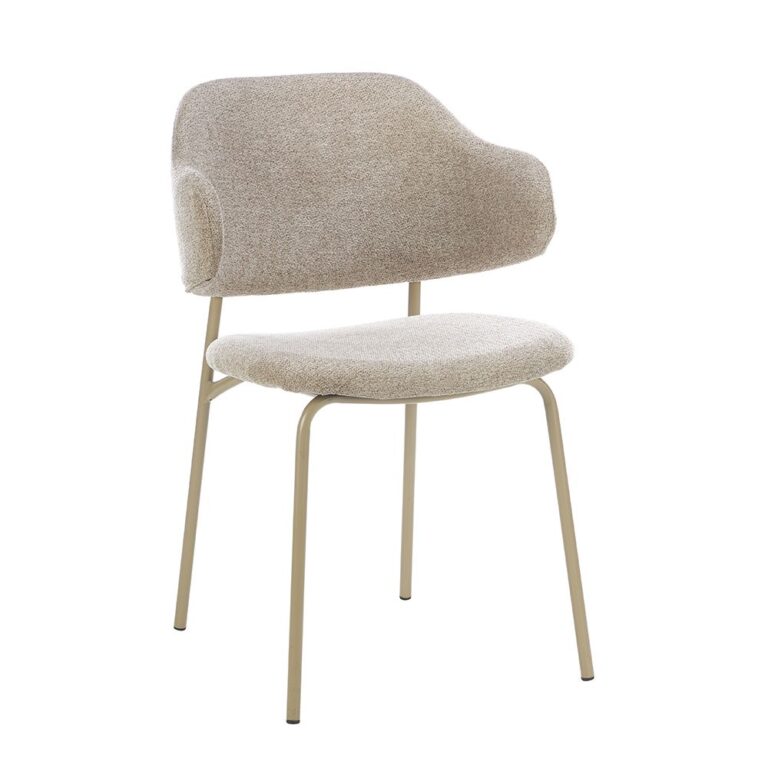
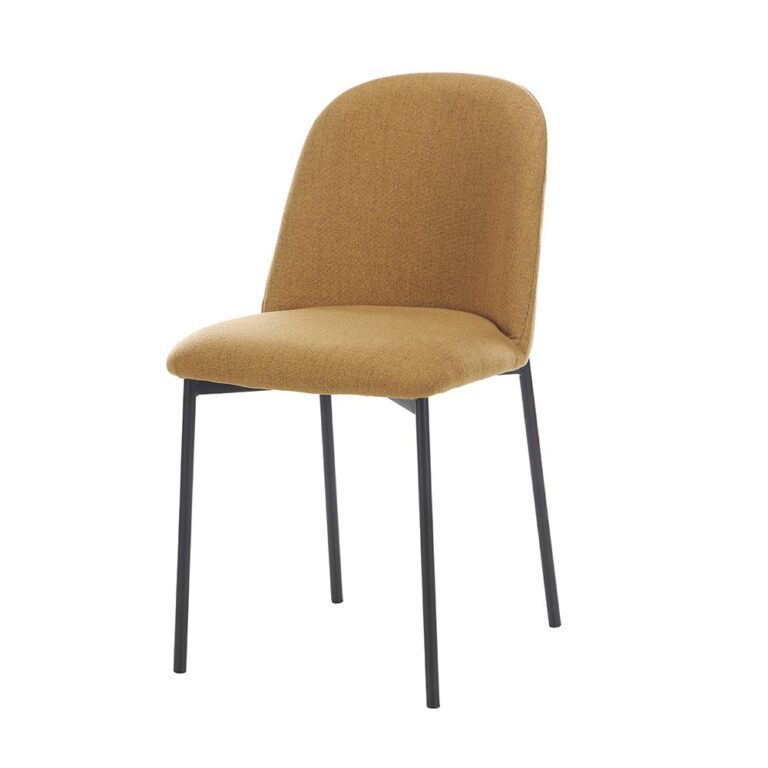
For modern hospitality spots, office lounges, and current residential rooms, Scandinavian-style dining chairs remain popular. These designs use clean lines, practical shapes, and simple profiles. They remove extra decoration to highlight natural forms. Their light look works well in smaller spaces or open areas where clear sight lines matter.
Navigating Traditional and Geometric Frames
For spaces that need classic looks or strong architectural lines, other back styles offer good focal points:
- X Back Dining Chairs: These feature crossed rear supports for solid stability. X back dining chairs suit casual dining spots, rustic halls, and bistro settings.
- L-Shaped Chair Designs: With sharp, continuous lines, an L-shaped chair gives a clean profile that fits corporate dining rooms and modern hospitality spaces.
Selecting High-Performance Contract Materials and Finishes
Material strength decides how well a product handles daily use, stays clean, and keeps its look over time. The right base supports long-term performance.
Maximizing Longevity with PU Leather Dining Chairs
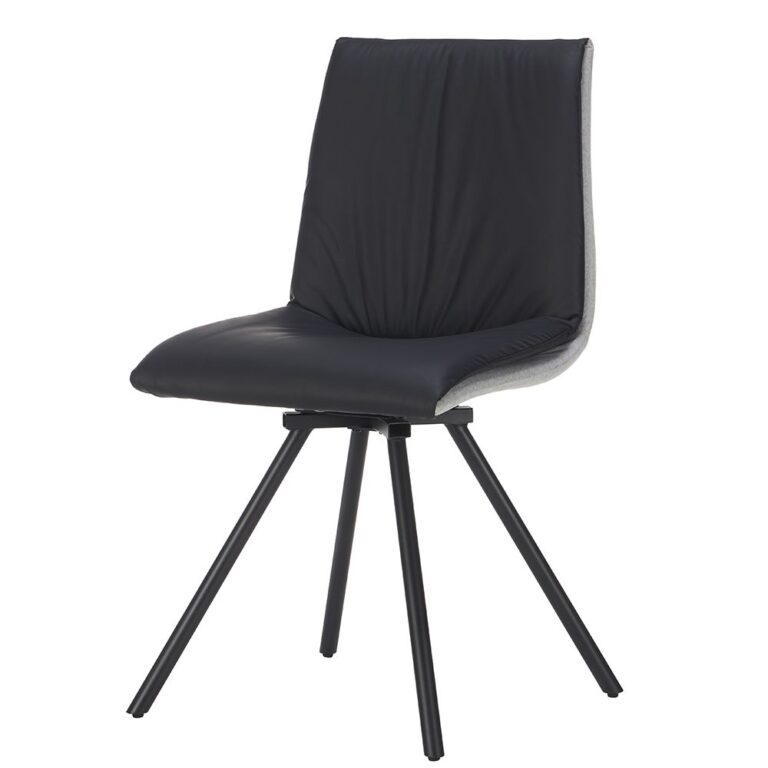
In busy commercial areas, everyday fabrics tend to show stains and wear out quickly. PU leather dining chairs provide an excellent balance of durability and smooth texture. High-grade polyurethane coatings resist moisture, spills, and scratches while delivering the feel of real leather. This makes them a strong choice for restaurants, hotel dining rooms, and busy cafeterias where quick cleaning is essential.
Utilizing Solid Wood Structures and Finishes
Solid wood frames add natural warmth, solid build, and lasting strength. When matching specific styles, white wood chairs or light beech tones can brighten a dark room. They reflect light and still deliver heavy-duty use. Match the finish on chair legs with the table surface. Unless a strong contrast is planned, keep wood grains similar for a balanced look.
Verifying Structural Performance and Procurement Quality
In B2B work, purchase choices affect costs over time. Before placing bulk orders, test physical samples to confirm performance under real conditions.
Assessing Joint Stability and Weight Capacities
When checking production models, press on the backrest to test stress points. A true commercial frame shows no flex, loose joints, or movement. Check welds on metal pieces, review wood joints, and inspect brackets under the seat. Stitching must run straight without loose threads or gaps.
Prioritizing Ergonomics and Extended Use
Real comfort shows up after long periods, not quick tests. A chair for hospitality or conference spaces must support natural posture without effort. At SANQ Furniture, our collections pass strict quality checks. This lets B2B buyers, distributors, and architects source stock with full confidence.
Call to Action: Partner with SANQ Furniture for Bulk Contract Sourcing
Are you handling a large commercial build, fitting out a hospitality project, or growing your furniture stock? At SANQ Furniture, we focus on high-performance dining chairs made for demanding commercial and B2B needs.
We welcome interior architects, contract planners, international wholesalers, and procurement managers to reach our project team. Contact us now. We can share our full commercial catalog, review shipping details, and provide wholesale pricing for your next project.
Frequently Asked Questions
What is the recommended standard height for commercial dining chairs?
The standard commercial seat height usually runs from 45 cm to 48 cm from the floor to the seat top. This pairs well with commercial tables that stand between 75 cm and 78 cm high.
Why are polyurethane materials preferred over delicate fabrics in restaurant projects?
Polyurethane surfaces resist spills, block food odors, and wipe clean fast with standard disinfectants. This cuts maintenance time compared with woven fabrics.
How much clearance space should be left behind dining chairs for guest traffic?
For smooth service and safe movement, keep at least 90 cm to 110 cm from the table edge to the nearest wall or obstacle behind the chair.
Can different styles of chairs be mixed around a single dining table setup?
Yes. In modern contract or corporate layouts, one effective approach places chairs with armrests at the ends of long tables to set a clear order, while using simple armless versions along the sides.