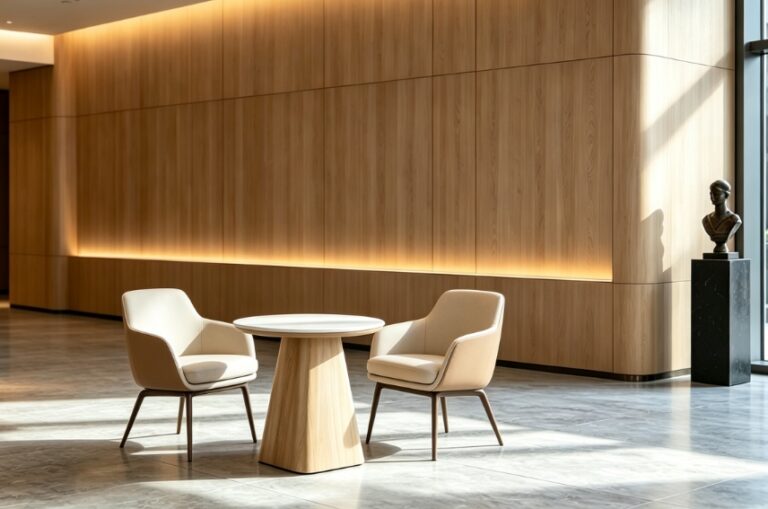
A sideboard can calm a room or become another place where clutter gathers. The difference comes from how its storage zones, door layout, finish, and footprint answer daily routines. This guide explains how to plan a useful sideboard cabinet for living rooms and dining areas, using SANQ Furniture’s CBG-25001 as a practical reference.
Storage Works Better When the Room Has Zones
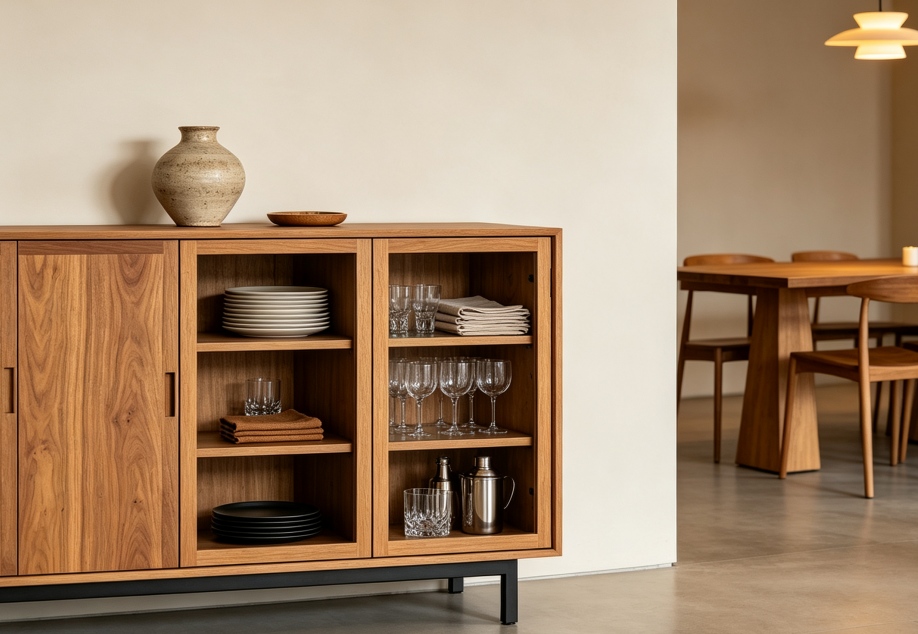
A sideboard works best when each compartment has a clear job. In a living room, closed storage can hold remotes, books, chargers, blankets, and occasional-use items while the top surface carries only a few visible objects. In a dining area, it can keep tableware, serving pieces, napkins, and bar accessories close to the table.
The strongest sideboard storage cabinet layouts separate frequent access from visual quiet. Items used every day should sit on an easy-to-reach shelf or in the most convenient door section. Seasonal or decorative pieces can occupy less accessible areas. That simple zoning principle makes a cabinet feel larger in use because the storage is arranged around habits rather than treated as one undifferentiated box.
Living Room Role
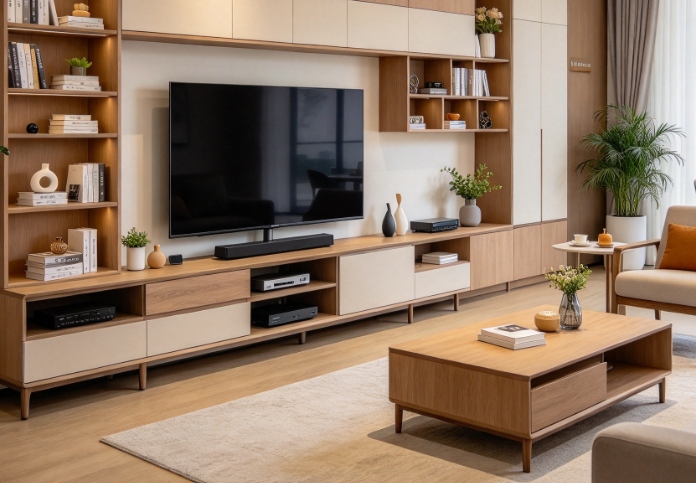
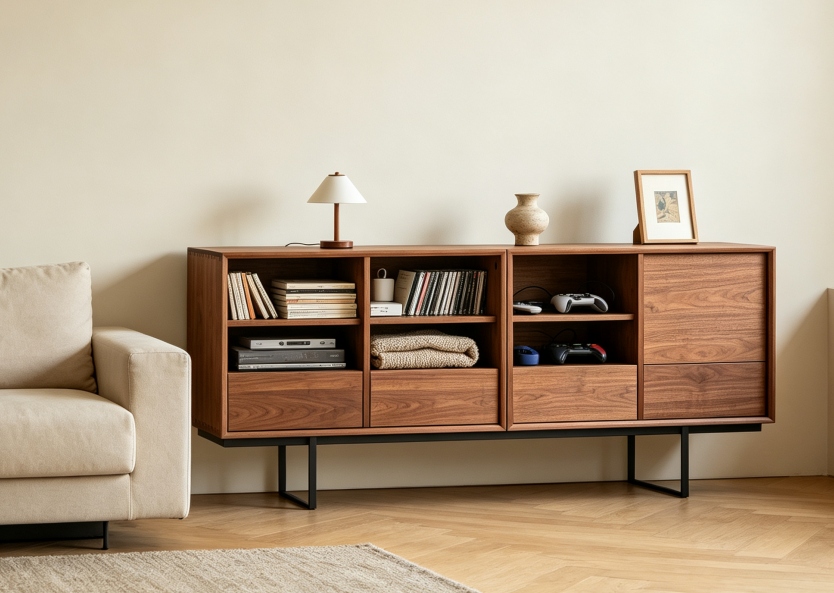
Living-room storage should reduce visual noise around the seating area. An enclosed cabinet can absorb small objects that otherwise spread across a coffee table, media unit, or open shelf. The top should remain available for a lamp, artwork, or restrained display.
Dining Room Role
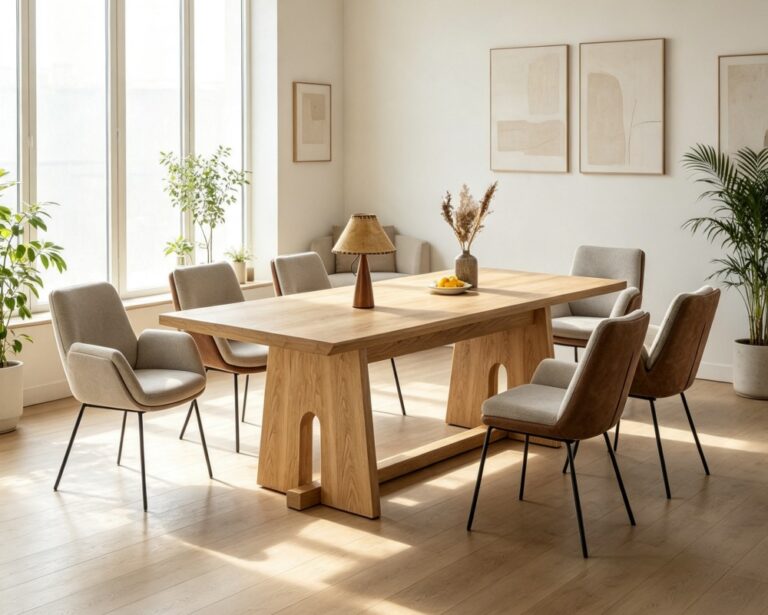
Dining-room storage should support serving without blocking movement. Plates, glasses, linens, and spare cutlery are easier to manage when they stay near the dining zone but remain protected behind doors. In hospitality or furnished-apartment collections, the same logic supports guest-ready presentation.
- Daily-use items: place them where opening the cabinet does not interrupt seating or serving.
- Occasional items: use higher or less frequently opened compartments for seasonal tableware and spare accessories.
- Display items: keep the top surface selective so the cabinet contributes to the room instead of competing with it.
What the Cabinet Needs to Do in Practice
A practical cabinet needs enough internal variation to support different object sizes. SANQ Furniture’s CBG-25001 uses four doors and adjustable internal shelving, giving a wholesale collection a more useful story than simply saying that it offers “large storage.” Dinnerware, documents, and decorative objects rarely share the same height or handling pattern.
| Room need | Useful cabinet feature | Why it matters in a furniture collection |
| Fast access | Adjustable shelves and clear compartments | Supports daily tableware, books, or office supplies without forcing one fixed layout. |
| Visual calm | Four enclosed doors | Keeps mixed objects out of sight and gives the room a cleaner merchandising image. |
| Style continuity | Oak veneer with natural texture | Adds warmth to modern, industrial, or contemporary room schemes. |
| Stable presence | 50 x 25 mm powder-coated steel base | Creates a defined footprint and balances the cabinet body with a durable dark accent. |
Materials and Structure Shape the Experience
Material selection influences the room’s mood and maintenance expectations. Oak veneer gives the cabinet a real wood visual language, while natural scarring texture adds variation across the surface. That combination brings warmth without making the style traditional.
Surface and Visual Balance
A textured wood surface works best when the room has enough visual breathing space. It can soften black metal, glass, or stone nearby, or connect a dining area to wood-toned tables and chairs while the doors keep the composition orderly.
A dining room storage cabinet also needs a clear relationship between body and base. SANQ Furniture’s CBG-25001 pairs an oak veneer cabinet body with a square steel tube base finished in black powder coating. The contrast gives the product a contemporary industrial character and helps it sit comfortably in both residential and hospitality settings.
Base and Footprint
The base should support the cabinet’s visual weight without making the room feel crowded. A defined steel frame can create a lighter-looking lower edge than a full plinth. For trade collections, review the footprint alongside door swing, wall clearance, and circulation.
One Product, Several Trade Applications
A useful sideboard earns space by serving more than one room brief. SANQ Furniture’s CBG-25001 is specified for living rooms, dining rooms, offices, and hospitality environments, so distributors can present it as flexible storage rather than a single-purpose dining accessory.
That flexibility becomes more convincing when the product story stays concrete. In a living-room collection, lead with concealed everyday storage and a calm display surface. In a dining collection, lead with organized tableware and serving support. In an office or hospitality setting, frame the same capacity around documents, supplies, or guest-facing presentation.
This is also where sideboard cabinet becomes a useful commercial search term: it describes a recognizable product form while leaving room to explain different room applications. Its KD construction and OEM/ODM support give buyers a clear starting point for wholesale planning.
How to Translate Storage Features into a Better Room Brief
A room brief becomes easier to compare when it describes behavior before appearance. Before choosing a finish or door count, define what the cabinet must store, how often those items are accessed, and what should remain visible. This keeps the selection focused on the way the furniture will work after installation.
- List the room first: living room, dining area, office, hospitality space, or a mixed-use setting.
- Group the contents by frequency: daily, weekly, seasonal, and display-only.
- Check the visual brief: warm wood, industrial contrast, quiet minimalism, or a coordinated furniture collection.
- Confirm practical constraints: door clearance, circulation, wall position, and the amount of top-surface display required.
- For wholesale orders, confirm the finish, hardware, packaging, and any OEM changes before the sample is approved.
A Sideboard Is a Storage Layout, Not Just a Cabinet
The right sideboard improves a room because it turns scattered objects into deliberate zones. For wholesale furniture collections, the clearest product position is therefore functional and visual at the same time: enclosed storage for daily order, a finish that supports the room palette, and a structure that can move across living, dining, office, or hospitality briefs. The next step is to define the room’s storage behavior before comparing models.
FAQ
What is the main purpose of a sideboard cabinet?
A sideboard cabinet provides enclosed storage near a living or dining area and gives the room a useful surface for controlled display.
Can a sideboard cabinet be used in a living room?
Yes. It can store books, remotes, chargers, blankets, games, or occasional-use items near seating areas. Closed doors reduce visual clutter.
Why do adjustable shelves matter in a sideboard storage cabinet?
Adjustable shelves let users adapt the interior for different object heights, which is useful for tableware, office supplies, books, or decorative pieces.
What materials create a modern industrial sideboard look?
A wood-look or oak veneer cabinet body paired with a dark powder-coated steel base creates a balanced modern industrial effect. The wood adds warmth, while the metal introduces structure and contrast.
How should wholesalers present a dining room storage cabinet?
Lead with the room problem it solves: organized tableware, serving support, and a cleaner dining area. Then explain the door layout, shelf flexibility, finish, footprint, and any verified customization or packaging options relevant to the collection.